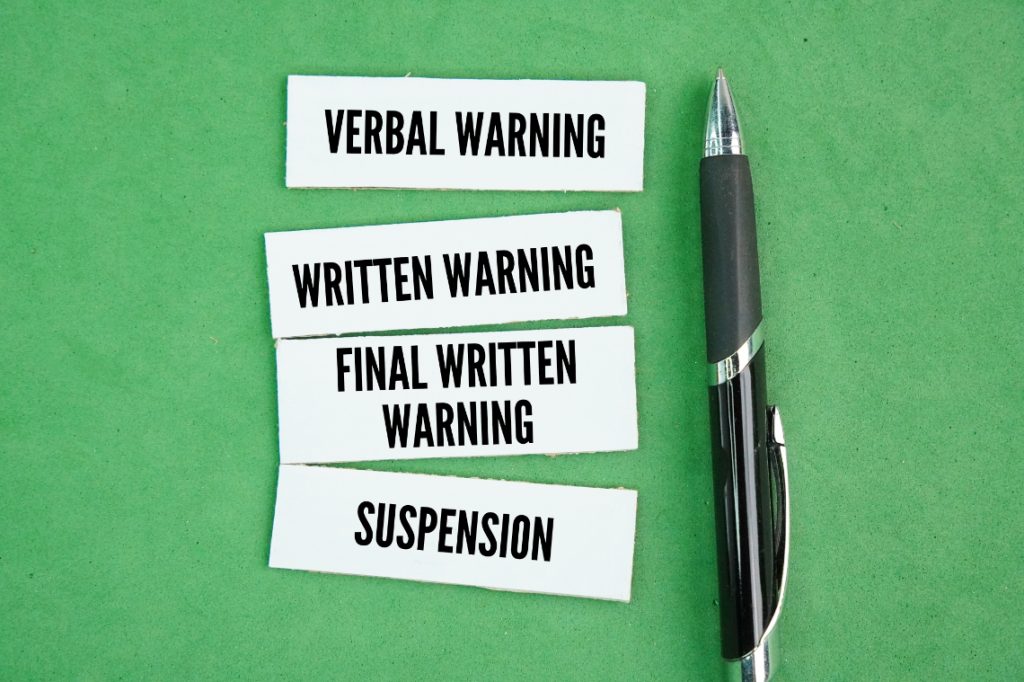
Dismissal can seem like the obvious solution when employee performance or conduct becomes a problem, but beware, it can be a high-risk option for employers. Premature termination can trigger unfair dismissal exposure and damage reputation. Plus, every person you lose takes with them valuable institutional knowledge.
Action short of dismissal is sometimes the smarter route, but you need to handle each situation carefully, with clear procedure and within contractual boundaries.
Legal authority explained
The starting point is legal authority. Most “lesser” sanctions fall into two buckets. The distinction is not technical—it’s decisive:
- steps the contract already permits
- steps that require employee consent.
If an employer imposes a change to contractual terms without authority (for example pay, status, location, or duties), it may amount to a repudiatory breach, opening the door to claims of breach of contract and constructive dismissal.
3 options short of dismissal:
- Final written warning
This is the most significant sanction short of dismissal.
Used well, it will focus attention, set clear consequences, and build an evidential platform if you need to resort to termination.
Used poorly – for example, by issuing multiple “final” warnings or deploying them for trivial misconduct – it can undermine your credibility and make a subsequent dismissal look predetermined or disproportionate.
Employers and HR must be clear on the duration and purpose of a final written warning. They must also be prepared take action if the warning is ignored. - Demotion
This can be an effective compromise for both parties, particularly if your employee has been promoted beyond capability.
That said, demotion is legally perilous unless it’s expressly permitted by contract or agreed with the employee. Without authority, it may be treated as a dismissal and re-engagement, opening you up to an unfair dismissal claim from the original role.
Practically, without enthusiastic agreement from the employee, it can also be corrosive to morale and management dynamics. - Pay deductions or reductions
Like demotions, this can easily go wrong. Unless authorised by statute, a contractual clause, or a separate written consent, deductions risk being unlawful and may also undermine trust and confidence—particularly if the amount is punitive.
The consistent themes are straightforward: Be proportionate, follow a fair process (investigation, hearing, right of appeal), and document why this sanction – rather than dismissal – was chosen. Action short of dismissal works best when it is not a halfway house, but a structured intervention with clear expectations and review.
Further reading
- Dismissal: your rights: Overview – GOV.UK
- Wrongful dismissal: Not the same as unfair dismissal – Hunter Law
- Disciplinary procedure – Acas
If you enjoyed this blog then perhaps you’d like to sign up to our monthly newsletter. We’ll keep you updated on what’s new in employment law.
The team at Hunter Law is here for you. We can handle your HR issues, finesse your policies, and keep you up-to-date on evolving legislation. Please get in touch with our legal team, we’d love to help.