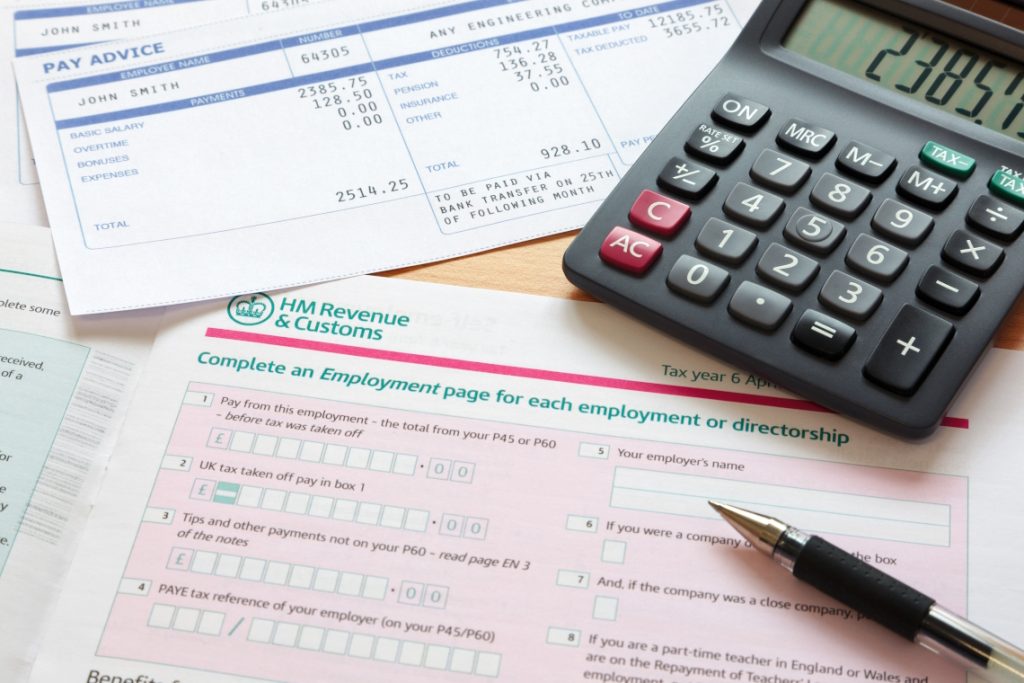
A recent Employment Appeal Tribunal (EAT) decision has confirmed that employers can provide payslips electronically, provided employees can genuinely access them.
The right to an itemised pay statement
Under section 8 of the Employment Rights Act 1996 workers and employees have the right to receive an itemised pay statement on or before payday.
The payslip must show key information, including:
- gross pay
- any deductions and what they relate to
- net pay
- how the payment has been made if it is paid in more than one part.
This is to help workers understand how their pay has been calculated and identify any errors or unexpected deductions.
Leedham v Royal Mail Group
In Leedham v Royal Mail Group, Royal Mail had moved from paper payslips to a digital-only system. Mr Leedham argued that Royal Mail had not “given” him a payslip because he had not received a paper copy.
The tribunal considered whether Royal Mail had complied with its obligation to provide an itemised pay statement and decided that it had. Mr Leedham appealed but the Employment Appeal Tribunal (EAT) agreed with the tribunal’s decision and said that the legal requirement can be met through an electronic system if the employee can access the information without difficulty.
In this case, Mr Leedham had a smartphone and could also access the payslips through a web browser. There were no costs or practical barriers preventing him from viewing them.
However, the EAT stressed that each case will depend on its facts. If an employee cannot realistically access an electronic payslip, an employer may still face a legal challenge.
What happens if we don’t provide a proper payslip?
- If an employer fails to provide a compliant payslip, a worker can bring a claim in the employment tribunal.
- The tribunal can make a declaration and may order the employer to repay certain deductions that were not properly explained on a payslip, going back up to 13 weeks before the claim was brought.
- Although compensation is generally limited, payslip issues can damage employee trust and may lead to wider disputes about pay and payroll processes.
What should HR do?
For employers using electronic payslips, it is worth checking that:
- Payslips are available on or before payday
- Employees know how to access them
- Access is free and straightforward
- Alternative arrangements are available where an employee faces genuine difficulties accessing the system.
The decision is good news for employers that have adopted digital payroll systems. However, HR teams should remember that the key issue is not whether payslips are provided electronically, but whether employees can actually access them.
Further reading
- Payslips: employee rights – Gov.uk
- New Statutory Pay rates from April 2026 – Hunter Law
If you enjoyed this blog then perhaps you’d like to sign up to our monthly newsletter. We’ll keep you updated on what’s new in employment law.
The team at Hunter Law is here for you. We can handle your HR issues, finesse your policies, and keep you up-to-date on evolving legislation. Please get in touch with our legal team, we’d love to help.