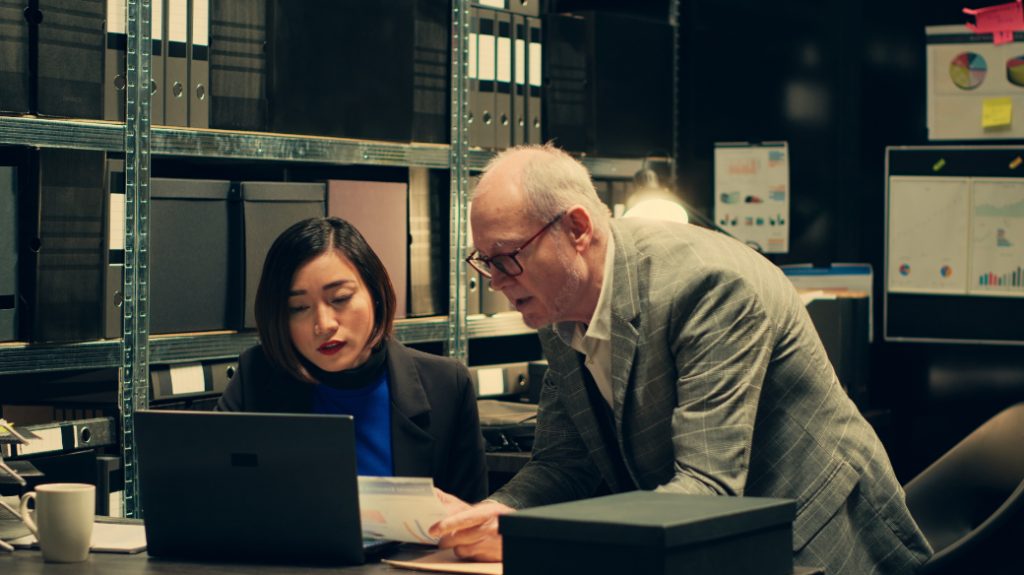
A well-executed workplace investigation is the bedrock of any fair and defensible disciplinary or grievance outcome. When investigations are rushed, poorly planned, or inadequately documented, the entire process can unravel – exposing employers to legal and reputational risk. HR professionals know that getting this stage right is essential, yet it remains one of the most common areas where organisations fall short. Below are practical tips to help ensure your investigations are robust, fair, and capable of withstanding scrutiny.
- Confidentiality is paramount
Limit information to those who genuinely need it. Remind all participants – including witnesses – of their duty to keep details private. Getting off on the right foot builds trust in and protects the integrity of the process. Adhering to this rule strictly can avoid contamination of evidence. - Have a clear plan
A structured plan guides the investigator and reduces the risk of missing key information. Compile the allegations, outline the scope of the investigation, identify who needs to be interviewed, and what evidence is required. - Don’t rush the process
While investigations should be handled without unnecessary delay, a thorough investigation requires time to gather evidence, interview witnesses, and reflect on findings. Hasty conclusions are more likely to be challenged and overturned. - Be impartial
Choose an investigator who is independent of the situation and free from any conflict of interest. This is crucial for fairness and also for how the process is perceived by employees. You don’t want to lose the credibility of the outcome by choosing someone who could be biased. - Be meticulous
Accurate and organised records are essential.
Document every step: evidence reviewed, interviews conducted, decisions made, and the rationale behind them. Clear documentation creates a defensible audit trail and supports transparency if outcomes are later scrutinised.
- Conduct interviews fairly and sensitively
Treat every participant with respect. Ask open, neutral questions, avoid assumptions, and give individuals the opportunity to provide their version of events. Fairness during interviews helps ensure reliable evidence and fosters confidence in the process.
By following best practice closely, HR professionals can help ensure outcomes that are fair, transparent, and resilient under challenge.
Further reading
Step 1: Deciding to investigate – Investigations at work – Acas
If you enjoyed this blog then perhaps you’d like to sign up to our monthly newsletter. We’ll keep you updated on what’s new in employment law.
The team at Hunter Law is here for you. We can handle your HR issues, finesse your policies, and keep you up-to-date on evolving legislation. Please get in touch with our legal team, we’d love to help.