
Workplace harassment claims can succeed even where no harm was intended — Esteves v West London NHS Trust is a timely reminder that the legal test turns on how conduct is received – no matter how well intentioned a workplace “term of endearment” might be. Esteves v West London NHS Trust In this case, a… [Read More]
How to handle permanent health insurance (PHI) and dismissal

Permanent health insurance (PHI) is one of those benefits that can quietly create major problems for employers and HR teams, particularly at dismissal. The recent decision in McMahon v AXA ICAS Ltd is a clear reminder that, if not managed carefully, PHI can expose employers to long-term and unexpected liabilities. What is PHI? PHI (often… [Read More]
£392,000 holiday pay award: A caution for employers managing annual leave

The recent Employment tribunal decision in Mr M Ageli v Sabtina Ltd is a stark warning to employers that holiday pay obligations are active, not passive — and that poor record-keeping compounds the risk. Mr M Ageli v Sabtina Ltd The employment tribunal awarded £392,000 to a property manager who, over a 25-year period,… [Read More]
Implied terms: the hidden rules that bind employers in employment contracts

Implied terms in employment contracts are as legally binding as written ones — and the rules around custom and practice mean employers can sometimes acquire obligations they never intended. These implied terms fill in the gaps where the contract is silent, reflect legal obligations, or grow out of what actually happens in the workplace day… [Read More]
4 trade union law essentials: Explained
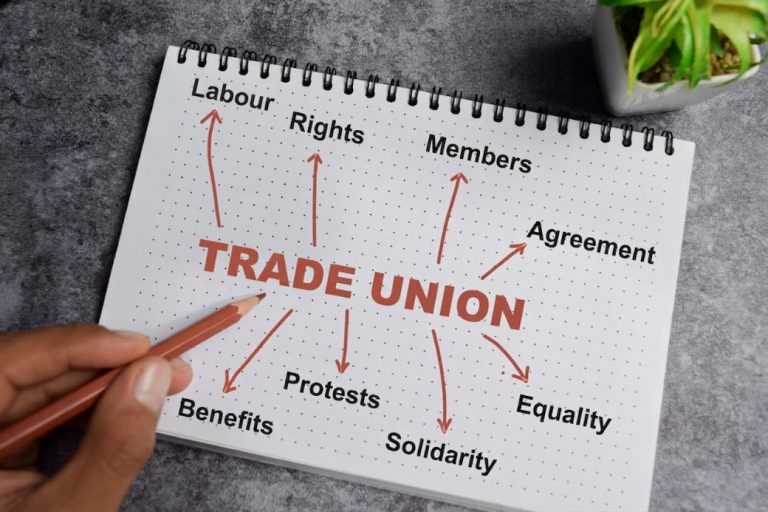
Trade union law is becoming more relevant for employers across every sector — the Employment Rights Act 2025 increases the likelihood of union engagement, making a review of the fundamentals essential. Most HR professionals in non-unionised organisations know just enough about trade union law to know they have gaps. As the Employment Rights Act 2025… [Read More]